Drone and Missile Attacks Impact Residential Areas in Odessa and Dnipro Amid Ukraine Conflict
Recent Russian strikes on Odessa and Dnipro resulted in civilian casualties and infrastructural damage, highlighting escalating regional instability.
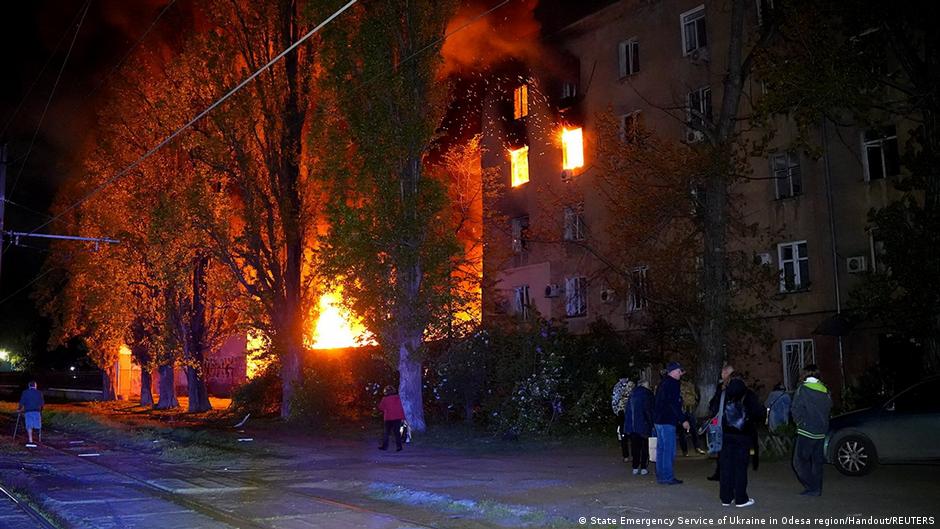
On the night of May 18, drone attacks launched by Russian Armed Forces caused damage to residential buildings in Odessa, Ukraine, injuring two civilians, according to the head of the Odessa city military administration, Serhiy Lysak. The victims included an 11-year-old boy and a 59-year-old man. In addition to private homes, a lyceum and a kindergarten sustained damage.
Emergency response teams and local authorities have activated operational headquarters to coordinate relief efforts, with emergency and utility services working to mitigate the consequences of the attacks.
Missile Strike in Dnipro Causes Multiple Injuries and Fires
Concurrently, Russian forces conducted a missile strike on Dnipro, leading to injuries among nine people and sparking several fires, including on the roof of a 24-story residential building. Alexander Ganjа, the head of the Dnipropetrovsk regional military administration, reported that the missiles targeted a residential area, exacerbating civilian risk and infrastructural damage.
Rescue operations are ongoing, with some residents trapped inside buildings. Four individuals have been hospitalized with moderate injuries, while five others, including a 10-year-old boy, are receiving outpatient care.
"The attacks not only inflict immediate human suffering but also disrupt essential urban infrastructure, complicating recovery efforts and regional stability," said an emergency official involved in the response.
These incidents underscore the escalating security challenges in eastern Ukraine, with attacks increasingly targeting civilian infrastructure. The strikes carry significant implications for the region’s humanitarian situation and pose challenges for policymakers addressing conflict escalation and international response strategies.
From a macroeconomic perspective, continued assaults on urban centers exacerbate economic instability in Ukraine, displace populations, and strain public services. The destruction of educational and residential facilities further hampers social cohesion and long-term economic recovery prospects.
International observers and economic policymakers must consider these ongoing security developments when assessing Ukraine’s economic outlook and global supply chain implications, particularly in energy and agricultural sectors where Ukraine plays a critical role.